
How Islam views personal responsibility
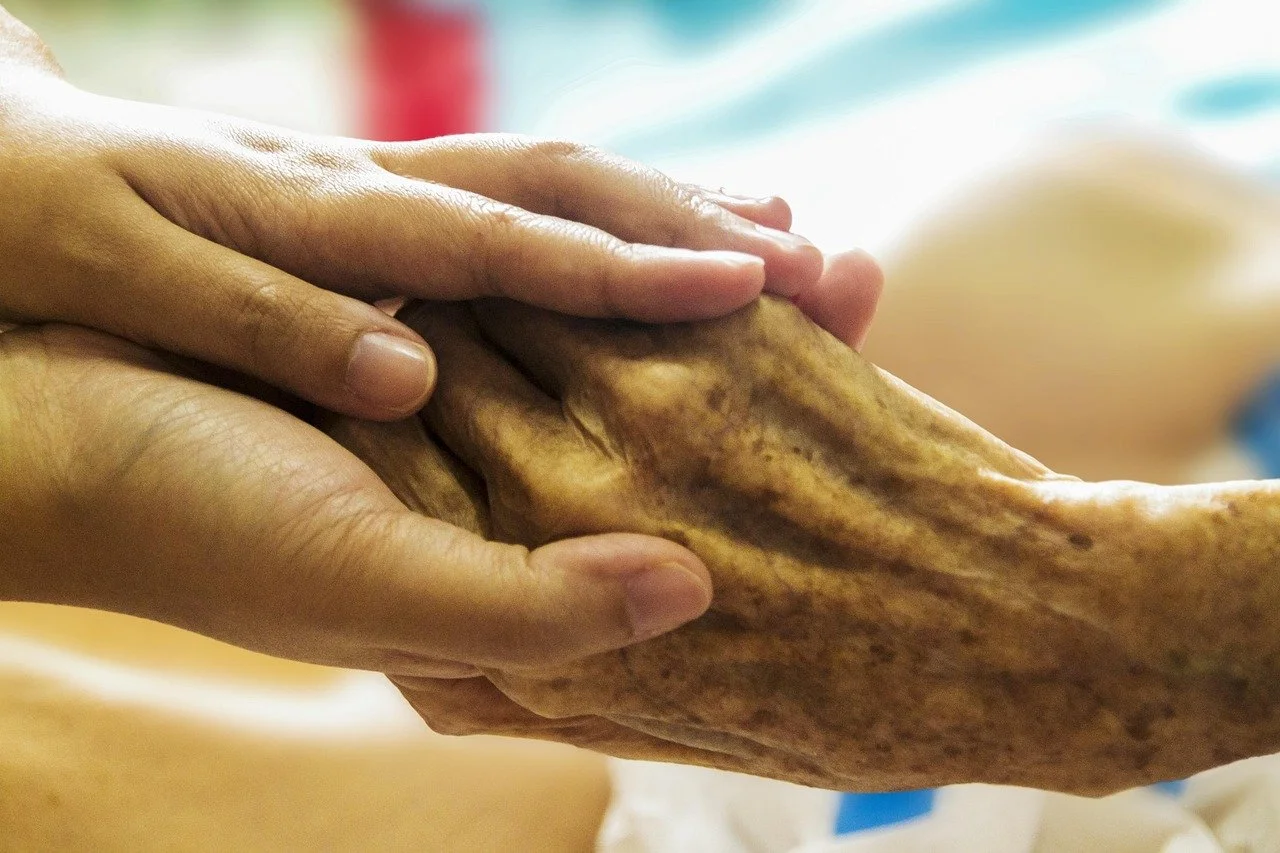
When people decide not to be responsible, society becomes chaotic and fraught with problems. When there is no sense of accountability in parents, children, politicians or communities, then people suffer. The Prophet Muhammad said "I have been sent to complete the qualities of good character".
In Islam, being accountable and responsible is paramount. Parents are responsible for the upbringing of their children, to teach them properly, even to name them with good names. The Prophet Muhammad said "You will be called on the day of judgment by your names and your fathers’ names, so therefore, choose beautiful names". All this means that they will have a good footing for when they are older by teaching them properly from when they are young.

Islam’s view on the Devil
Muslims name the devil Iblis, or Shaytan (Satan). They understand him in quite a different way to Christians. In Christianity the devil appears to have independent power and is the leader of hell. He is a rival to God and a fallen angel.
Islam rejects these concepts. The devil is not a fallen angel. Angels were created without free will and are always in obedience to Allah.
Miracles: Mythical stories or signs of God?
Secular philosophy and science in modern times have increased the scepticism by which people view stories of miracles. Natural explanations are sought for all things or else reports of the event are mistrusted.
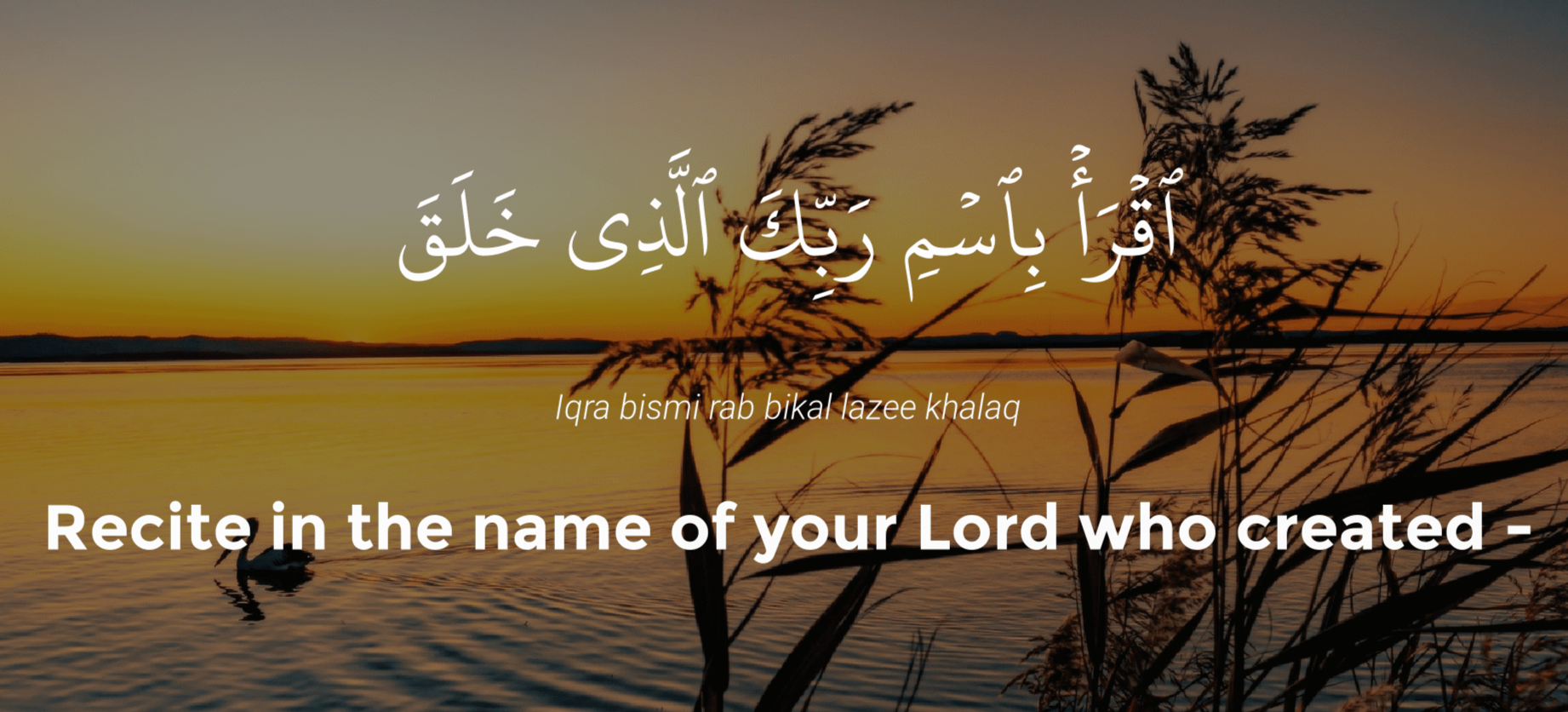
The Quran – like the Old and New Testament - informs us that different Prophets throughout human history performed miracles. Muslims believe that miracles are only performed with Allah’s (God’s) permission. By definition, it is beyond the ability of human beings to perform these miracles without God’s permission.
Sin, Repentance, Forgiveness, Gratitude and Love
Commonly, non-Muslims fail to understand the role of these important concepts in Islam. Islam is accused of being very legalistic, without much concern for spiritual matters.
The Final Prophet
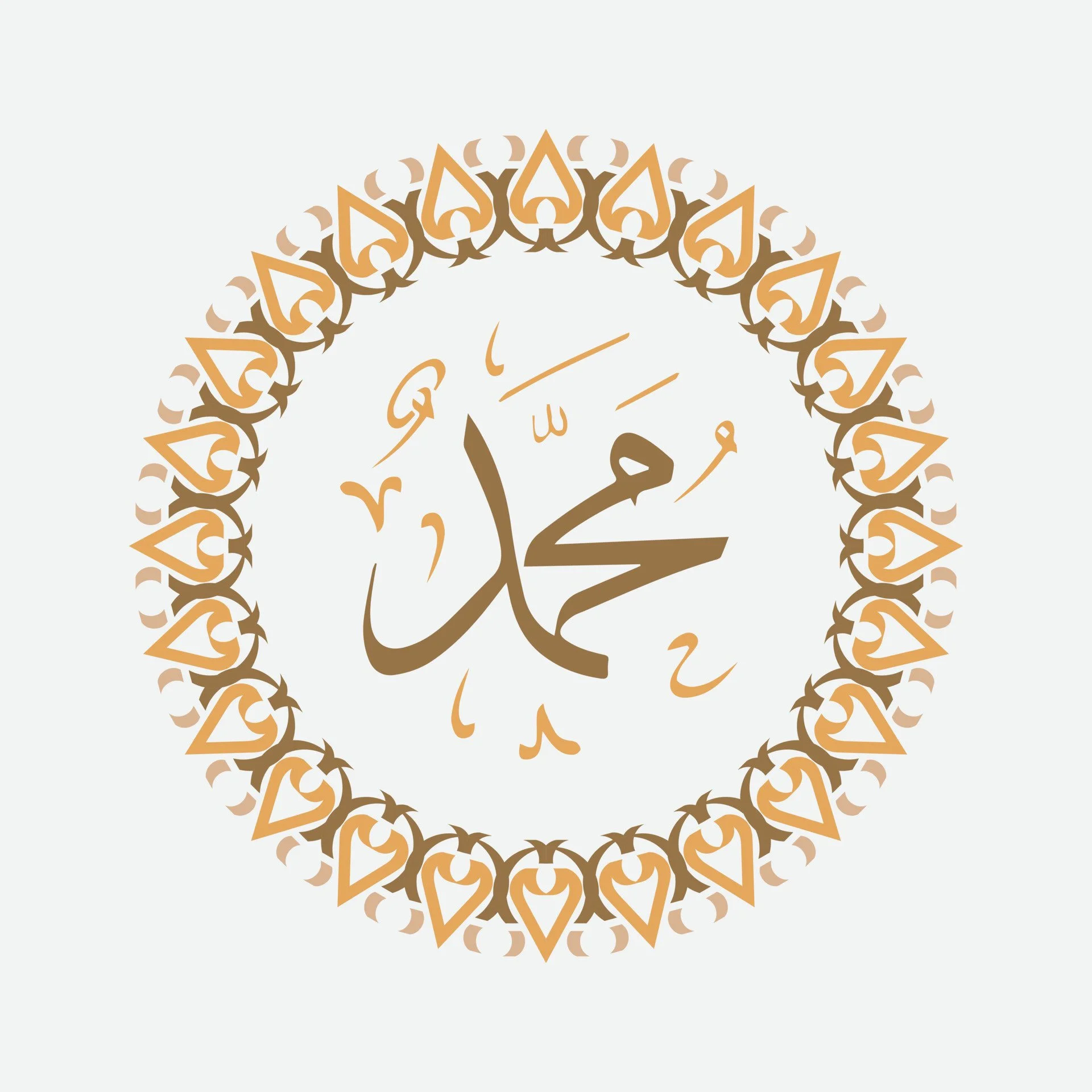
An Outstanding characteristic of the Prophet Muhammad is that he was the best in his community both, morally and intellectually. The people of Makkah knew him only as a man of excellent character and cultured manners, calling him ‘Al-Ameen’, ‘The Trustworthy’.

What are the main things Muslims believe?
A Muslim believes in Allah (the Arabic name referring to God); that nothing other than Allah is worthy of worship, and that Muhammad was His final Prophet. A Muslim does not pray to Muhammad nor believes that Muhammad was the son of God, nor that Jesus is the son of God. Muslims believe that Allah is above having a son. Allah is considered unique, without equal. His existence is realisable but His essence and nature is beyond human comprehension.

How can Muslims say that God definitely exists?
The book that Muslims refer to for guidance, the Quran, encourages thought, reflection and investigation.
“Behold! In the creation of the heavens and the earth, and the alteration of night and day, these are indeed signs for men of understanding.” (Quran chapter 3, verse 190)
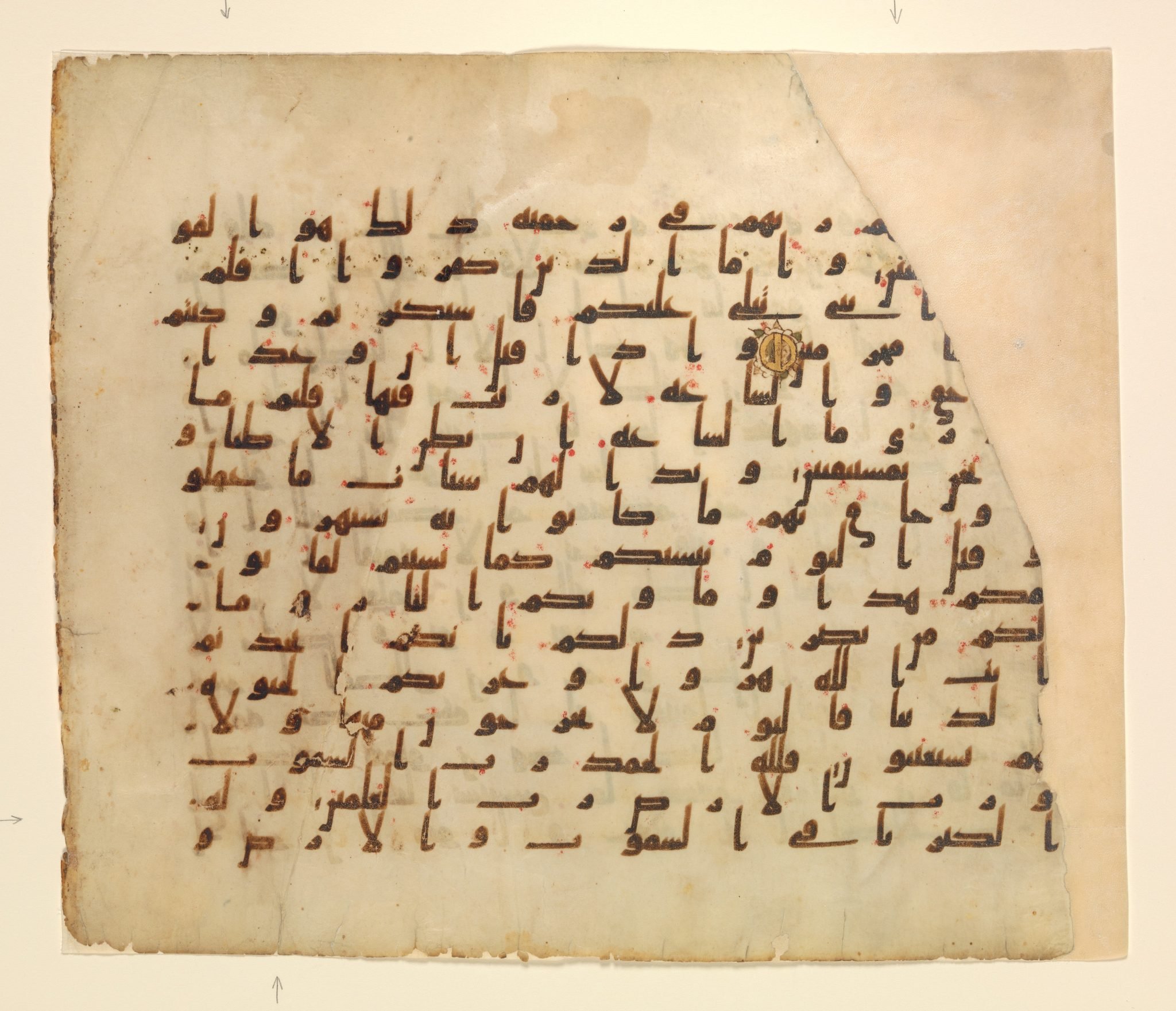
What are the Quran and Hadith?
Muslims believe the Quran is the revealed word of Allah (God). The Quran is absolutely central to Islam. Muslims believe that it is the literal, verbal communication of Allah. Quran means “recitation” Through it Allah gives guidance to all humanity, showing them how to live according to Allah’s will.